



Your loyalty email dashboard shows a 42% open rate. Your revenue from existing customers is flat. Both things are true, and only one of them matters. The Loyalty Email Metrics to Track that actually predict retention are repeat purchase rate, customer lifetime value by cohort, active engagement rate, list health, and revenue per recipient —
To create a customer journey map for a food and beverage brand, document every touchpoint a customer has with your product across five stages — awareness, consideration, first purchase, consumption/experience, and repurchase/loyalty — then layer in their emotions, friction points, and decision triggers at each stage using real customer data, not assumptions. That is the
First-party data in the age of LLMs represents the shift from feature-based competition to data-driven moats, where proprietary customer insights become your only defensible advantage as AI commoditizes everything else. While every founder scrambles to integrate the latest AI features, the real winners are quietly building data fortresses that no LLM can replicate. Picture this:
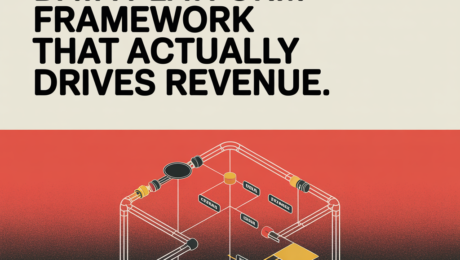
Picture this: You’re tracking 47 different engagement metrics across your fan base, but when your board asks “How does this drive revenue?” you scramble to connect the dots. A fan engagement data platform is a unified system that connects fan behavior data to business outcomes — specifically revenue, retention, and expansion opportunities — rather than
- 1
- 2