Artificial Intelligence is no longer an experimental technology. For scaling mid-market organizations and Inc. 5000 companies, AI has become a competitive necessity. Whether it’s automating processes, extracting insights from data, or creating new customer experiences, the pressure to integrate AI is higher than ever.
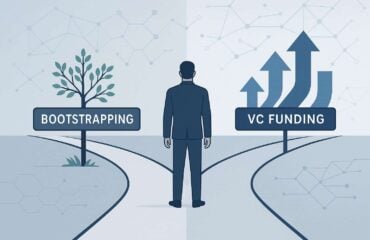
But one strategic decision stands above the rest: Should you hire external AI consultants or build an internal AI team?
Both options carry clear advantages—and risks. The right decision depends on your business model, growth stage, and long-term vision for AI adoption.
Table of Contents
Cost Considerations
- Hiring an AI Consultant
Consultants are typically engaged on a project basis, which keeps upfront costs lower. Instead of investing in salaries, benefits, and infrastructure, you pay only for expertise delivered. However, the cost per engagement can escalate if you rely heavily on consultants across multiple initiatives. - Building an Internal AI Team
Recruiting, onboarding, and retaining top AI talent is expensive. Salaries for skilled machine learning engineers and data scientists often rival those in Fortune 500 companies. On top of that, your organization must invest in tools, training, and infrastructure. While the initial outlay is steep, long-term costs can stabilize and provide sustained value.
Speed to Market
Consultants usually bring pre-built frameworks and tested approaches, allowing you to launch initiatives faster. This is ideal if you need quick wins to validate use cases or secure stakeholder buy-in.
Internal teams, however, take longer to ramp up. Recruiting alone can take months, followed by onboarding and alignment with your business. But once built, an internal team can execute repeatedly without starting from scratch.
Expertise and Flexibility
- AI Consultants bring broad exposure across industries. They can introduce outside best practices, objectivity, and specialized skills that your company might not need full-time. Their flexibility makes them ideal for project-based innovation or when specific expertise is required.
- Internal Teams develop deep institutional knowledge. They understand your data, customers, and processes better than anyone. Over time, this alignment can drive innovation that is more tightly integrated into your core operations.
Sustainability and Knowledge Retention
One risk with consultants is dependency: knowledge can walk out the door at the end of an engagement. Building an internal team creates intellectual property and institutional memory, ensuring that expertise stays in-house and compounds over time.
For mid-market and Inc. 5000 companies, a hybrid model often works best—leveraging consultants for strategic projects while developing an internal team for long-term ownership.
ROI Over Time
- Short-Term ROI: External consultants deliver immediate impact with minimal setup, making them cost-effective for early projects.
- Long-Term ROI: Internal teams provide ongoing innovation and continuous improvement, paying off as AI becomes embedded in your strategy.

Strategic Roadmap for Growing Enterprises
- Clarify Your AI Strategy: Define whether AI is an operational efficiency tool or a core product driver.
- Audit Your Infrastructure: Evaluate your data readiness and current technology stack.
- Run a Pilot Project: Validate value quickly with external consultants.
- Build for Scale: If results are promising, invest in building or training an internal team.
- Adopt a Hybrid Approach: Use consultants to accelerate progress while your internal team matures.
Conclusion
For fast-growing companies, the choice isn’t binary. The smartest enterprises blend external expertise with internal capability to balance speed, cost, and sustainability.
Join hundreds of leaders from mid-market and Inc. 5000 companies who have implemented AI with our proven frameworks. At M Accelerator, we help growth-stage businesses build enterprise-grade AI strategies that compete with Fortune 500s—without the heavy consulting fees.
Get Your Free AI Assessment → Start building AI capability that scales.