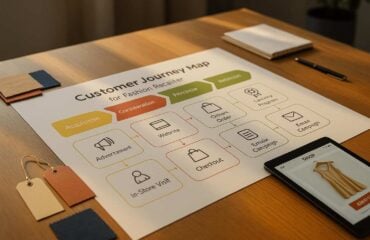
How to Create a Customer Journey Map for Consulting Firms
Creating a customer journey map for consulting firms involves understanding the unique client experience from initial awareness to advocacy. The process begins with defining client personas based on demographics, behaviors, and feedback, such as small business owners, corporate executives, and individuals. Key stages of the client journey typically include Awareness, Consideration, Decision, Onboarding, Engagement, and Advocacy. At each stage, it’s crucial to identify client goals and pain points—for example, information overload during Awareness or pricing concerns at Decision—and tailor solutions like content marketing, transparent pricing, and comprehensive onboarding.
Mapping out touchpoints is essential, covering interactions via websites, emails, social media, service delivery, and client support. Regular analysis and optimization through feedback, data analytics, and market trends help keep the journey map effective and relevant. Best practices include personalizing communication, automating workflows, and continuously testing and iterating content strategies.
This approach helps consulting firms enhance client experience, increase retention, and improve marketing effectiveness by providing a clear, actionable framework tailored to the consulting industry. Visual tools like flowcharts and detailed journey maps can further aid in illustrating the client path and aligning business goals with customer needs.
Business Type
Professional Services / Consulting Firms
Industry
Professional Services
Key Stages of the Customer Journey
- Awareness
- Consideration
- Decision
- Onboarding
- Engagement
- Advocacy
Essential Touchpoints to Map
- Website: Blogs, landing pages, service pages
- Email: Newsletters, onboarding emails, support emails
- Social Media: Posts, ads, community interactions
- Service Delivery: Meetings, consultations, reports
- Client Support: Live chat, phone support, ticketing systems
Common Pain Points
- Information overload and difficulty in finding relevant information during the Awareness stage.
- Confusion due to similar service offerings and lack of clear differentiation in the Consideration stage.
- Pricing concerns, contract terms, and trust issues at the Decision stage.
- Complex setup processes and lack of guidance during the Onboarding stage.
- Unclear feature usage and insufficient support in the Engagement stage.
- Lack of incentives and no clear channels for advocacy in the Advocacy stage.
Target Audience
- Small Business Owners
- Corporate Executives
- Individuals seeking consulting services
Target Audience
- Small Business Owners
- Corporate Executives
- Individuals seeking consulting services
Recommended Tools for Journey Mapping
- Lucidchart
- FigJam
- InDesign CC
- Totango
- Smaply
- Canvanizer
- Reveall
- Microsoft PowerPoint
- Gliffy
- UXPressia
- Miro
- Figma
- Mural
- Sketch
- Microsoft Visio
- Lucidspark
- Custellence
Available Templates
- Customer Journey Map Template from Miro: A visual timeline template to map customer interactions, pain points, and emotions across stages of the journey. It includes steps like setting objectives, defining personas, mapping touchpoints, and iterating based on feedback. (https://miro.com/templates/customer-journey-map)
- Customer Journey Map Template for Consulting Firms from Marketing Eye: A comprehensive guide tailored for professional services firms including consulting. It outlines stages such as Awareness, Consideration, Decision, Onboarding, Engagement, and Advocacy, with detailed client goals, pain points, and solutions at each stage. It recommends mapping touchpoints like website, email, social media, service delivery, and client support, and emphasizes continuous analysis and optimization. (https://www.marketingeye.com/blog/customer-journey-mapping-for-professional-services-firms-a-comprehensive-guide.html)
Real-World Examples
A consulting journey map example from Smaply illustrates how an agency can use journey mapping to improve project coordination with clients. This map helps consultants understand if they satisfy their clients and serves as a communication tool to pitch solutions. The map includes a backstage lane showing interactions and collaboration among different parties throughout the process. This example highlights how consultants make clients happy by giving them what they need, focusing on client engagement and collaboration to enhance satisfaction and project success. The journey map structure allows consultants to visualize client interactions and internal processes, facilitating better client management and service delivery. The example is accessible via Smaply’s platform and demonstrates practical application of journey mapping in consulting firms to improve client relationships and project outcomes. (Smaply)
Best Practices
Creating and using customer journey maps for consulting firms involves a strategic, detailed approach tailored to the unique nature of professional services. Here are actionable best practices:
- Define Clear Client Personas: Identify key client personas based on demographics, behaviors, and feedback. Typical personas include small business owners, corporate executives, and individuals seeking personalized services. Understanding these personas helps tailor the journey map to address specific needs and pain points.
- Outline the Client Journey Stages: Map out typical stages such as Awareness, Consideration, Decision, Onboarding, Engagement, and Advocacy. Each stage should reflect the client’s goals and challenges, providing a clear flow from initial contact to loyal advocacy.
- Identify Client Goals and Pain Points at Each Stage: For example, during Awareness, clients seek relevant information but may face overload; during Decision, pricing and trust are critical concerns. Address these with targeted solutions like content marketing, transparent pricing, and testimonials.
- Map Touchpoints and Interactions: Include all client interactions such as website visits, emails, social media, consultations, and support channels. This comprehensive mapping ensures no critical touchpoint is overlooked.
- Sequence Content Strategically: Personalize communication for each persona and stage, automate workflows to deliver timely content, and continuously test and iterate to optimize engagement.
- Collaborate Across Departments: Engage teams from sales, marketing, customer service, product development, and analytics to ensure a holistic and accurate journey map that aligns internal processes with client needs.
- Focus on Emotions and Moments of Truth: Capture the client’s emotional state and prioritize key interactions that significantly impact satisfaction and loyalty.
- Use Data-Driven Insights and Continuous Improvement: Regularly collect client feedback, analyze behavior with analytics tools, and update the journey map to reflect evolving client preferences and market trends.
- Align Journey Maps with Business Goals: Anchor the journey map to strategic objectives such as improving client retention, enhancing satisfaction, streamlining operations, and increasing profitability.
- Leverage Consulting Frameworks and Agile Methods: Apply structured approaches like the DARMA™ method (Define, Analyze, Research, Map, Act) and embrace agile delivery to iterate quickly and deliver value.
- Address Common Challenges: Manage complex, non-linear client paths and diverse client needs by sequencing content carefully and providing clear guidance at every stage.
By following these best practices, consulting firms can create comprehensive, actionable customer journey maps that enhance client experience, improve retention, and drive business growth. Visual aids like flowcharts and detailed maps help communicate insights effectively across the organization, fostering a client-centric culture and continuous innovation.
Tips for Aligning Journey Maps with Business Goals
To align customer journey maps with business goals and customer needs for consulting firms, focus on identifying and prioritizing "Moments That Matter"—key touchpoints that significantly impact customer perception and loyalty. Incorporate deep empathy by using empathy maps to understand customers’ thoughts, feelings, and motivations at different journey stages, moving beyond assumptions to observe actual behavior. Use journey maps as a strategic tool to inform marketing, product development, and customer service decisions, combining them with consulting frameworks like the "5 Whys" technique to uncover root causes of customer pain points for targeted improvements. Treat journey maps as living documents, linking them to metrics such as Net Promoter Score (NPS), Customer Effort Score (CES), and Customer Satisfaction (CSAT) to continuously measure and enhance the customer experience. Finally, ensure journey mapping is embraced across the organizational culture, from frontline employees to senior leadership, fostering a culture that values customer feedback and prioritizes changes that are desirable to customers, viable for the business, and feasible operationally, using frameworks like Desirability-Viability-Feasibility to guide prioritization.