What’s New
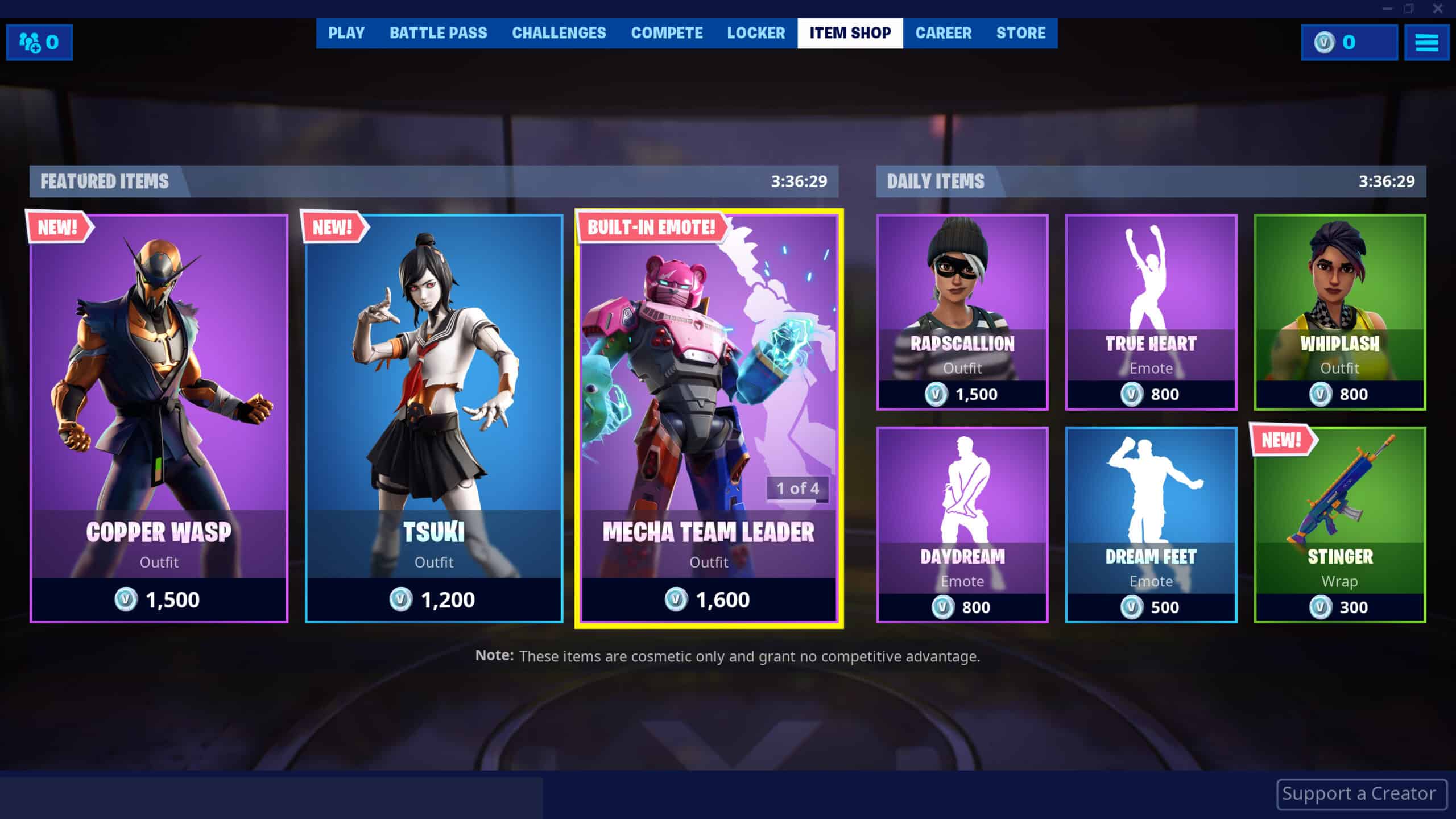
- Starting December 2025, creators on Fortnite will be able to sell their own in-game items directly from custom islands. (TechRadar)
- Until end-2026, creators get 100% of the V-Bucks value for these sales (which translates to ~74% of the retail value after fees). After that, the share drops to 50%. (TechRadar)
- Items are split into two categories: consumables (limited-use) and durables (cosmetics like skins). (TechRadar)
- Creators also get promotional tools: ability to pay to advertise their items (e.g. in “Sponsored Row”) and to earn via an “engagement pool” based on metrics like user time, money spent, and retention. (TechRadar)
Table of Contents
Why This Is Big for Founders & Creators
- More direct monetization + higher margin opportunities
Fortnite’s offer is unusually creator-friendly. Leaving a big chunk of value for creators (100% V-Buck value initially) allows for higher margins than many platform deals. For founders building tools, games, or content inside platforms, this sets a new benchmark. - Comes amid fast-growing market tailwinds
- The global creator economy was US$205.25 billion in 2024, expected to grow rapidly (CAGR ~23-24%) through 2025-2033. (grandviewresearch.com)
- Another estimate (DemandSage) projects market size of ~$528.4B by 2030. (DemandSage)
- North America leads both adoption and revenue share. (grandviewresearch.com)
- The global creator economy was US$205.25 billion in 2024, expected to grow rapidly (CAGR ~23-24%) through 2025-2033. (grandviewresearch.com)
- Competitive pressure among platforms
Fortnite’s move directly competes with platforms like Roblox, where creators already sell digital items or build monetized experiences. For instance, Roblox recently enabled creators to sell physical merch via Shopify inside games. (The Verge)
Platforms are increasingly offering better revenue splits or more control to creators—whether via cosmetic item sales, subscriptions, memberships, etc. - Richer monetization vectors beyond ads and sponsorships
Many creators have been seeking more reliable and diversified income: digital goods, microtransactions, fan-support, etc. Fortnite expanding in-game item sales + promotion/engagement pools is part of that trend. (epidemicsound.com)
Examples from Other Platforms / Models
| Platform / Model | What They Let Creators Do | Revenue Share or Terms | Takeaway for Founders |
| Roblox | Creators build “experiences” and monetize via virtual item sales, premium access, and in some cases physical merch tied to experiences. (The Verge) | Generally their cuts vary; platform fees apply. Creators often complain about high revenue share cut by the platform. Fortnite is trying to undercut that. | If you build something creator-centric, offering high creator share of revenue is a strong differentiator. |
| Itch.io | Indie games / digital products; creators set price, often determine platform cut. (Wikipedia) | Default cut is ~10% on Itch.io but creators can set lower or even zero. (Wikipedia) | Flexibility in platform terms helps attract creators, especially smaller or indie ones. |
| Etsy / Creative Market / Gumroad / Payhip | Selling digital goods (design assets, templates, graphics, fonts, etc.) directly to audience. (Thinkific) | Varies; often transaction fees + platform fees; creators capture majority of price. | Founders building platforms for digital goods can learn from their UX simplicity, discoverability, and how they build trust. |
| Patreon / Subscription-models | Creators deliver content, perks, or early access to paying subscribers. Provides recurring revenue. (Wikipedia) | Patreon’s fees ~8-12% plus payment processing. (Wikipedia) | Recurring revenue is valuable but comes with obligations (continuous content, maintaining value for subscribers). |
What Founders Should Think About / Opportunity Areas
- Revenue share as a competitive lever: As Fortnite does with 100%-then-50%, platforms that offer strong margins or favorable terms will attract creator-led content.
- Discovery + promotion tools: Having just the ability to monetize isn’t enough; creators need ways to surface their items—advertising slots, promoted placement, recommendation/featured sections. Fortnite offering “Sponsored Row” and engagement pools is smart.
- Ease of implementation: Tools for creators to build, upload, price, market, and fulfill digital assets need to be simple, low-friction. If the UX or toolchain is clunky, many will drop off.
- Sustainability of earnings: Consumables vs durable goods: they pose different challenges (e.g. consumables might need constant refresh, durable goods need design quality and ongoing appeal).
- Platform dependency vs owning your audience: Creators may pull most revenue from platform economies, but risk exists (policy changes, revenue share shifts, platform moderation). Diversifying across platforms or owning some direct channels (e.g. own store, own community) is wise.
- Data & analytics: Insight into what sells, what features drive engagement / retention, pricing strategies. Platforms that offer good data dashboards will empower creators and in turn increase platform revenue.
Implications for Startups
- There is a growing space for infrastructure tools: storefronts, discovery/ad tools, analytics, creative asset marketplaces.
- Platforms that enable user-generated content (UGC) are doubling down on monetization for creators; competition is heating up.
- Founders can look into vertical niches: e.g. creators in gaming (skins, items, avatar cosmetics), creators in virtual worlds / metaverse, creators in design/digital assets, creators of fan content.
- Business models need to account for variable revenue splits over time, and be transparent. Fortnite’s step down from 100% to 50% is reasonable, but creators will want clarity.

From Insight to Action: Your Next Step as a Founder
The shift we’ve explored in this article underscores a larger truth: founders don’t fail because they lack ambition—they stumble when their message doesn’t resonate, or when they can’t align growth strategy with clarity. In today’s market, where capital and customer attention are scarce, the ability to articulate a powerful idea is the difference between traction and stagnation.
If you can’t communicate your business with a powerful idea, you won’t be able to build it. Join our weekly Founders Meetings where early to pre-Series A founders discover how to leverage AI and strategic messaging to unlock growth. In these interactive sessions, you’ll learn the main factors holding founders back (from our analysis of 2,000+ applications yearly), see real AI implementation in GTM strategy, and connect with a community of 500+ founders who’ve raised $50M+ collectively.
Seats are limited—join the next Founders Meeting and get direct access to our CEO and peers facing the same challenges: https://maccelerator.la/en/live-presentation/