How to Create a Customer Journey Map for Non-profit Organizations
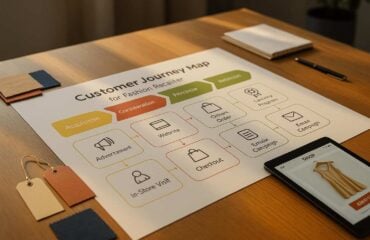
Creating a customer journey map for non-profit organizations involves visually mapping the entire experience a donor or stakeholder has with the organization, from initial awareness to becoming a loyal supporter. This process helps nonprofits understand and optimize donor engagement, retention, and recruitment by identifying key stages, touchpoints, and pain points unique to their audience.
Key stages typically include Awareness, Consideration, Decision, Retention, and Loyalty/Advocacy. At each stage, nonprofits should identify essential touchpoints such as social media interactions, website visits, donation processes, volunteer opportunities, and personalized communications. Mapping these touchpoints reveals donor pain points like confusing donation forms or lack of follow-up, enabling targeted improvements.
The journey mapping process begins with developing donor personas based on demographic and behavioral data, which represent ideal donor segments and their motivations. Using these personas, nonprofits map out the donor journey through each stage, noting interactions and emotional responses.
Effective tools and templates, such as flowcharts and diagrams, facilitate the creation of clear visual maps. Real-world examples emphasize tailoring the journey to different donor types, such as one-time donors, monthly donors, major donors, and volunteers, recognizing their distinct paths.
Best practices include aligning the journey map with the nonprofit’s mission and goals, fostering donor empathy by walking in donors’ shoes, and using the map to improve personalization and predictability of revenue streams. Additionally, journey maps support volunteer recruitment by integrating volunteer touchpoints alongside donor interactions.
Overall, a well-crafted donor journey map empowers nonprofits to enhance donor experiences, increase engagement, and build lasting relationships that support sustainable fundraising and mission success.
Business Type
Non-profit Organizations
Industry
Non-profit Organizations
Key Stages of the Customer Journey
- Awareness
- Consideration
- Decision/Conversion
- Retention
- Loyalty/Advocacy
Essential Touchpoints to Map
- Awareness of the nonprofit through social media, word-of-mouth, search results, and events
- Consideration stage where donors research impact, credibility, and transparency
- Decision stage involving donation process including online donation forms and personalized communications
- Receiving donation receipts and thank-you communications
- Engagement through volunteering opportunities and event participation
- Regular follow-up communications including newsletters and updates
- Personalized donor communications based on donor personas
- Attending nonprofit events and campaigns
- Advocacy and loyalty stage where donors become repeat supporters and advocates
- Access to impact reports, financial transparency, and success stories
- Interaction with nonprofit’s website and digital channels
- Volunteer onboarding and engagement processes
- Corporate partnership and sponsorship touchpoints
- Media and press engagement touchpoints
Common Pain Points
- Confusing or complicated donation process causing donor frustration
- Lack of clear and accessible information on the nonprofit’s website
- Limited personalization in communication and engagement with donors and stakeholders
- Insufficient follow-up and acknowledgment after donations leading to donor disengagement
- Difficulty in navigating multiple touchpoints across online and offline channels
- Challenges in aligning the nonprofit’s mission with stakeholder expectations and needs
- Obstacles in volunteer onboarding and engagement processes
- Inconsistent or ineffective communication channels leading to missed engagement opportunities
- Lack of transparency or clarity in how donations are used, causing donor skepticism
- Technical issues or outdated systems hindering smooth interactions and transactions
Target Audience
- Nonprofit professionals involved in donor engagement and fundraising
- Marketing and communications teams within nonprofit organizations
- Nonprofit leadership and management teams
- Volunteer coordinators and community outreach staff
- Fundraising strategists and donor retention specialists
- Nonprofit digital transformation and customer experience teams
- Nonprofit organizations of various sizes, from small local nonprofits to large enterprises
- Professionals seeking to improve donor and volunteer experience through journey mapping
- Teams responsible for cross-functional collaboration in nonprofits
Target Audience
- Nonprofit professionals involved in donor engagement and fundraising
- Marketing and communications teams within nonprofit organizations
- Nonprofit leadership and management teams
- Volunteer coordinators and community outreach staff
- Fundraising strategists and donor retention specialists
- Nonprofit digital transformation and customer experience teams
- Nonprofit organizations of various sizes, from small local nonprofits to large enterprises
- Professionals seeking to improve donor and volunteer experience through journey mapping
- Teams responsible for cross-functional collaboration in nonprofits
Recommended Tools for Journey Mapping
- UXPressia
- Blackbaud CX Journey Mapping Tools
- Lucidchart
- FigJam
- InDesign CC
- Totango
- Smaply
- Canvanizer
- Reveall
- Microsoft PowerPoint
- Gliffy
Available Templates
- UXPressia Government and Nonprofit Customer Journey Map Templates including Donor Journey Map
- Funraise Donor Journey Map Template specifically for Nonprofits
- Canva Customer Journey Map Templates adaptable for Nonprofit Organizations
- Miro Customer Journey Map Templates usable for Nonprofit Customer and Donor Journeys
Real-World Examples
A real-world example of a customer journey map for non-profit organizations is the donor journey map, which visualizes all the touchpoints a donor experiences with a nonprofit from initial awareness to becoming a loyal supporter. For instance, an animal shelter might create donor personas such as Carolina, a busy professional who loves animals but has limited time, and Richard, a retired dog lover with more free time. The journey map then addresses key stages: Awareness (spreading cause awareness via social media or ads), Consideration (educating potential donors about the nonprofit’s impact), Decision (encouraging newsletter signups and donations through personalized emails and clear CTAs), Retention (sending thank-you notes and donation receipts, nurturing long-term donors), and Loyalty/Advocacy (engaging loyal donors in peer-to-peer campaigns and advocacy). This mapping helps nonprofits improve donor retention, recruitment, empathy, relationship depth, predictable revenue, volunteer recruitment, and personalization. By walking in donors’ shoes, nonprofits can identify pain points and optimize the giving experience to foster long-term support and community growth. (https://www.funraise.org/blog/x-marks-the-donors-a-nonprofits-guide-to-creating-a-donor-journey-map)
Best Practices
Creating a customer journey map for non-profit organizations involves several actionable best practices to optimize donor and stakeholder experiences and improve engagement and retention:
- Develop Donor Personas: Begin by creating detailed donor personas representing key segments of your donor base. Use demographic, behavioral, and motivational data to understand their needs, preferences, and pain points. This helps tailor the journey map to different donor types, such as one-time donors, monthly donors, major donors, or volunteers.
- Define Journey Stages: Map the donor journey through key stages: Awareness, Consideration, Decision, Retention, and Loyalty/Advocacy. Each stage reflects different donor mindsets and needs, from first learning about your cause to becoming a loyal supporter.
- Identify Touchpoints and Triggers: List all interaction points donors have with your nonprofit, including online and offline channels like social media, events, donation forms, newsletters, and volunteer opportunities. Identify triggers that move donors from one stage to the next, such as a compelling campaign or personal outreach.
- Highlight Pain Points and Opportunities: Analyze each stage and touchpoint to uncover obstacles donors face, such as confusing donation processes or lack of information. Use these insights to improve the experience, simplify actions, and personalize communications.
- Visualize the Journey: Create a clear, visual representation of the donor journey using flowcharts or diagrams. This helps your team understand donor behaviors and align strategies accordingly.
- Align with Organizational Goals: Ensure the journey map supports your nonprofit’s mission and fundraising objectives. Use it to clarify your mission from the donor’s perspective and prioritize efforts where they will have the greatest impact.
- Use Journey Maps to Foster Empathy: Walk in your donors’ shoes to better understand their experiences and emotions. This empathy helps build stronger relationships and trust.
- Leverage for Retention and Recruitment: Use the journey map to enhance donor retention by providing consistent, personalized engagement and to attract new donors through targeted marketing and outreach.
- Integrate Volunteer Journeys: Recognize that volunteers have distinct journeys and create separate maps to address their unique needs and engagement paths.
- Measure and Iterate: Track key metrics like donor engagement, conversion rates, and retention over time. Continuously refine the journey map based on feedback and data to improve donor experiences and outcomes.
By following these best practices, nonprofits can create effective customer journey maps that deepen donor relationships, improve fundraising success, and align organizational efforts with stakeholder needs.
Tips for Aligning Journey Maps with Business Goals
To align customer journey maps with business goals and customer (donor) needs for non-profit organizations, consider the following tips:
- Start with Donor Personas: Develop detailed donor personas based on demographic, behavioral, and motivational data to understand different donor segments. This helps tailor the journey map to address specific needs and preferences of each donor type.
- Map Key Journey Stages: Focus on critical stages such as awareness, consideration, decision, retention, and loyalty/advocacy. At each stage, identify key touchpoints and donor needs to ensure the journey supports both donor engagement and organizational goals.
- Use Journey Mapping to Improve Donor Retention and Recruitment: Align the map to enhance the donor experience, making it easy and intuitive to engage, which supports donor loyalty and attracts new donors, directly impacting fundraising goals.
- Foster Donor Empathy: Walk in your donors’ shoes to identify pain points and friction in their journey. Use this insight to simplify processes like donation forms and personalize communications, improving satisfaction and trust.
- Promote Cross-Functional Collaboration: Use journey mapping as a tool to improve communication and coordination across departments, ensuring a consistent and unified donor experience that aligns with the nonprofit’s mission and objectives.
- Personalize Communications and Experiences: Leverage insights from the journey map to create tailored messaging and engagement strategies, which resonate with donors and encourage ongoing support.
- Identify Moments That Matter: Highlight critical interactions that significantly impact donor decisions and satisfaction, and prioritize improvements in these areas to maximize impact.
- Use Data and Research: Base your journey maps on evidence from donor research, analytics, surveys, and feedback rather than assumptions, ensuring alignment with actual donor behaviors and organizational priorities.
- Integrate Journey Mapping into Strategic Planning: Use insights from journey maps to inform annual planning, digital transformation strategies, and fundraising initiatives, ensuring that donor experience improvements support broader business goals.
- Continuously Update and Measure Impact: Treat journey mapping as an ongoing process, regularly revisiting and refining the map based on new data and changing donor needs to maintain alignment with evolving goals.
These tips help nonprofits create actionable, donor-centric journey maps that drive engagement, increase revenue, and strengthen relationships, all while supporting the nonprofit’s mission and strategic objectives.